
6 Balance Exercises That Boost Brain Health and Memory
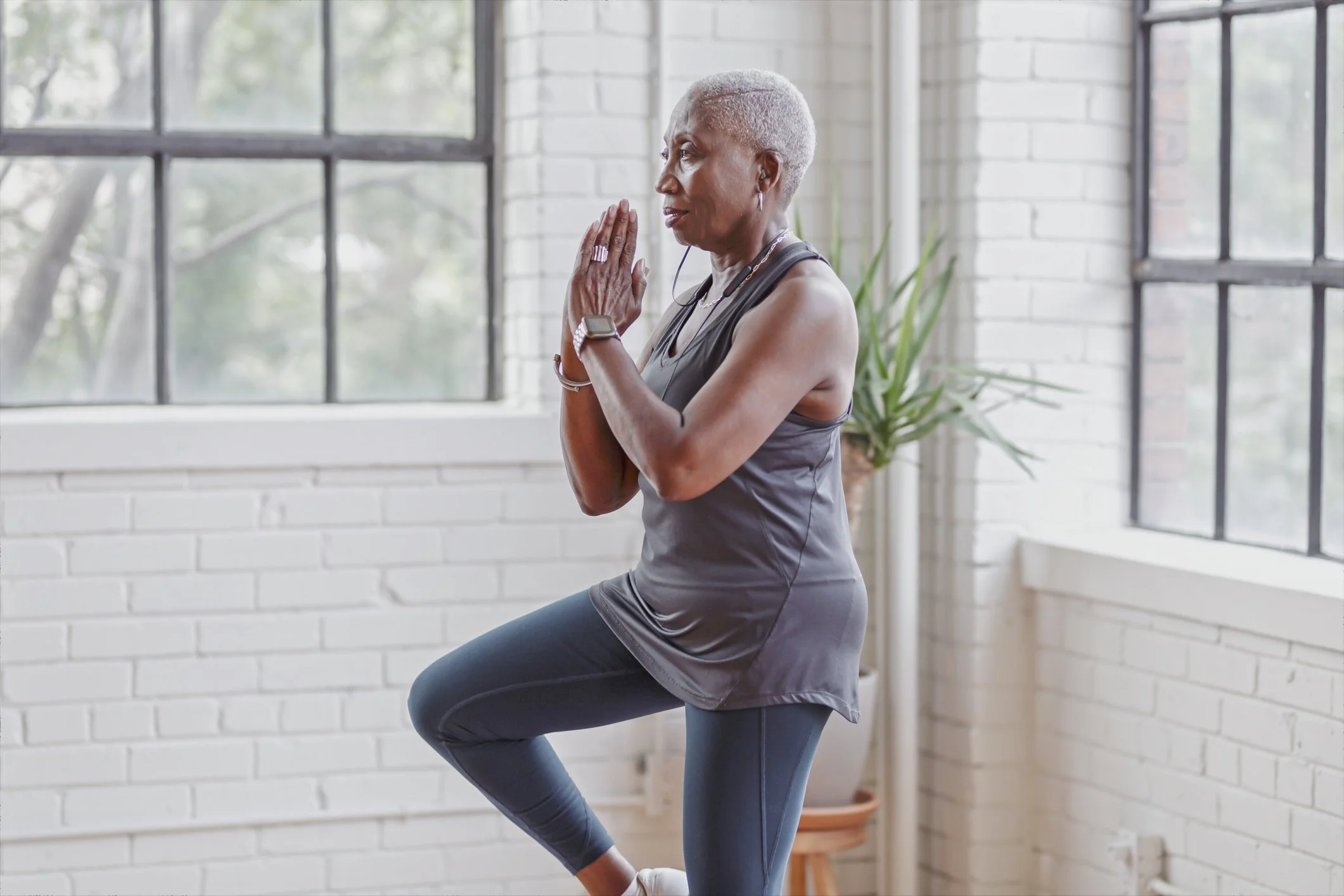
When most people think about protecting their brain, they think about crossword puzzles, sudoku, or maybe learning a new language. But there's something far simpler that science says may be just as powerful for your brain: standing on one leg.
Balance isn't just about staying steady on your feet. It turns out, it's deeply connected to how well your brain functions.
Your Brain on Balance
Balance is governed largely by the cerebellum, the area at the base of the brain that also helps with precision, coordination, and timing. The cerebellum is one of the most continuously active areas of the brain because it doesn't just keep you upright. It also constantly feeds a stream of information to the rest of the brain, which is necessary for overall brain health and function.
When cerebellum function begins to break down, it can overwhelm the brain with excess input, leading to symptoms that may seem completely unrelated to balance, including fatigue, anxiety, difficulty concentrating, and increased risk of cognitive decline.
And there's more. Unlike aerobic exercise, which boosts brain health through cardiovascular fitness, balance training works differently. It's considered "motor training," requiring a high level of unconscious mental effort from your vestibular and proprioceptive systems. That mental demand is exactly what makes it so valuable for your brain.
A 2017 study published in Scientific Reports found that just 12 weeks of balance training significantly improved memory and spatial cognition in healthy adults aged 19 to 65. The participants trained twice a week, and the improvements happened without any change in cardiovascular fitness. Balance alone drove the brain benefits.
A related study from the same research team found that balance training actually increased cortical thickness in brain regions tied to memory and spatial awareness. And a separate meta-analysis confirmed that balance exercises promote neuroplasticity, strengthening existing neural connections and helping the brain form new ones.
As Dr. Cindy Barha, assistant professor in the Faculty of Kinesiology at the University of Calgary and the first Women's Brain Health Initiative Future Leader in Canadian Brain Research, has explained, different types of exercise training appear to influence different types of brain function. Aerobic training, resistance training, and balance training each play a role, and the best outcomes come from incorporating all three.
Why This Matters for Women
Women have a higher risk of falls as they age. A U.K. study found that the prevalence of falls was higher in women than men (29.1% vs. 23.5%). Women also account for the majority of non-fatal fall-related injuries, with one U.S. study finding that 70.5% of older adults treated in emergency departments for fall injuries were women.
But beyond falls, there's a brain health reason to pay attention. Mid-life is a critical window for brain vulnerability in women, particularly around perimenopause when hormonal fluctuations can affect neuroinflammation and even the brain's energy sources. Incorporating balance training during this period may help bolster the brain and reduce the risk or severity of cognitive decline later in life.
Research has also shown that physical activity may be more protective of cognition in women than in men, with studies showing larger positive effects on executive function in samples with a higher percentage of women.
The Balance-Mortality Connection
Here's a stat that might surprise you: a 2022 study published in the British Journal of Sports Medicine found that adults aged 51 to 75 who couldn't stand on one leg for 10 seconds had an 84% higher risk of death from any cause over the next decade, even after adjusting for age, sex, and underlying health conditions. The inability to complete that simple test was a stronger predictor of mortality risk than coronary artery disease, obesity, or high blood pressure.
Balance isn't something most of us think about until something goes wrong. But the research is clear: it's one of the most accessible and effective things you can do for both your body and your brain.
6 Exercises to Get Started
The best part? These 6 moves take just a few minutes a day. You don't need a gym, special equipment, or even workout clothes. Many of them can be woven into your daily routine while you're brushing your teeth, waiting for the kettle, or standing at the counter.
A note before you begin: if you feel unsteady, keep a sturdy chair or countertop nearby for support. And if you have serious balance concerns or a history of falls, check in with your doctor or a physical therapist before starting.
1. The One-Leg Stand
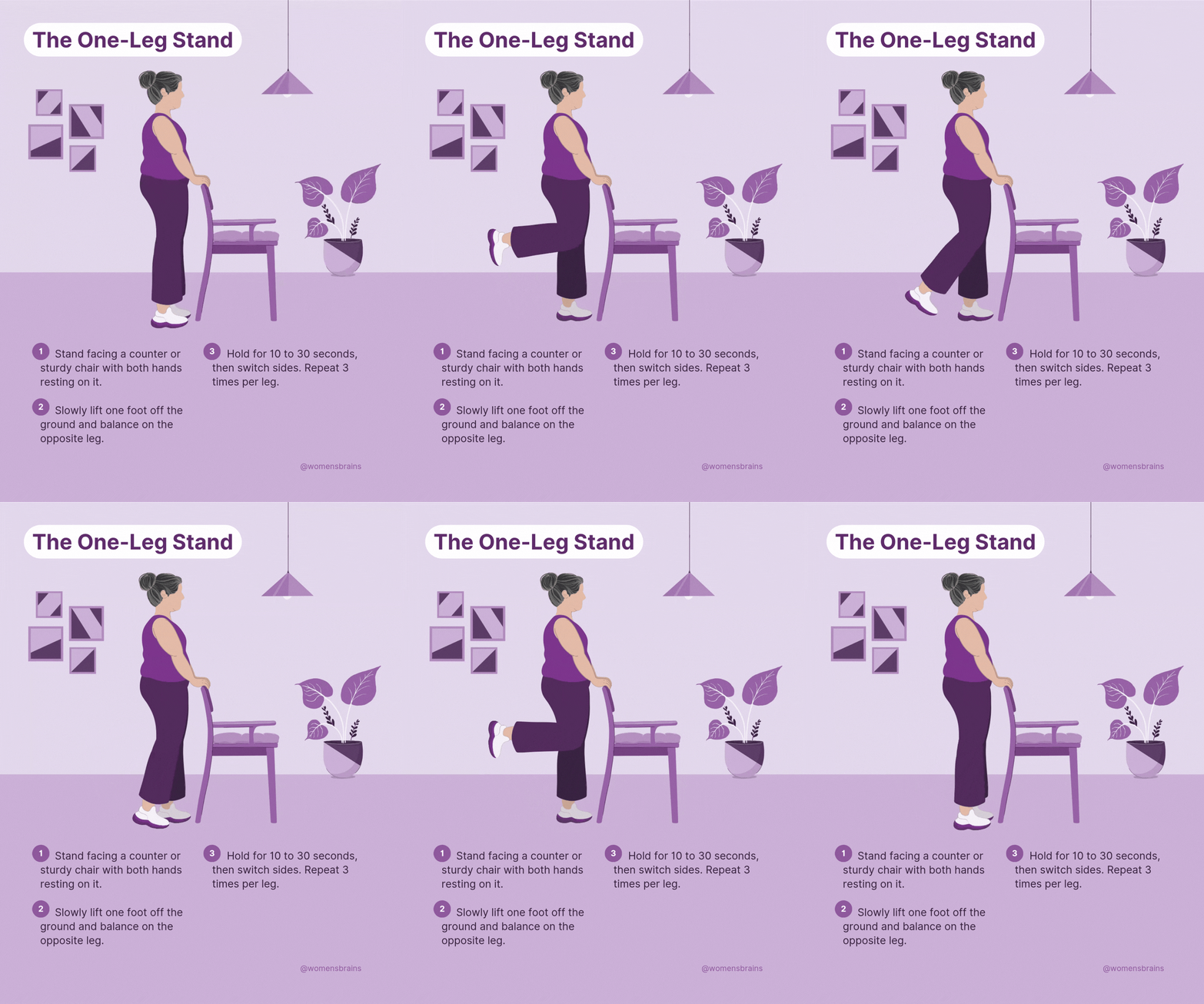
This is the foundation of balance training and one of the most studied exercises for brain and body health.
How to do it:
Stand facing or beside a counter or sturdy chair with one or both hands resting lightly on it for support.
Lift one foot a few inches off the ground and balance on the opposite leg.
Hold for 10 to 30 seconds, then switch sides.
Repeat 3 to 5 times per leg.
Want more of a challenge? Try letting go of the counter, closing your eyes, or standing on a rolled-up towel or blanket.
Why it matters for your brain: Standing on one leg requires your brain to work significantly harder to maintain balance, increasing blood flow and activating the vestibular system, which has direct pathways to the hippocampus (the brain's memory center). Research has linked single-leg balance ability with increased hippocampal volume.
2. The Chair Rise
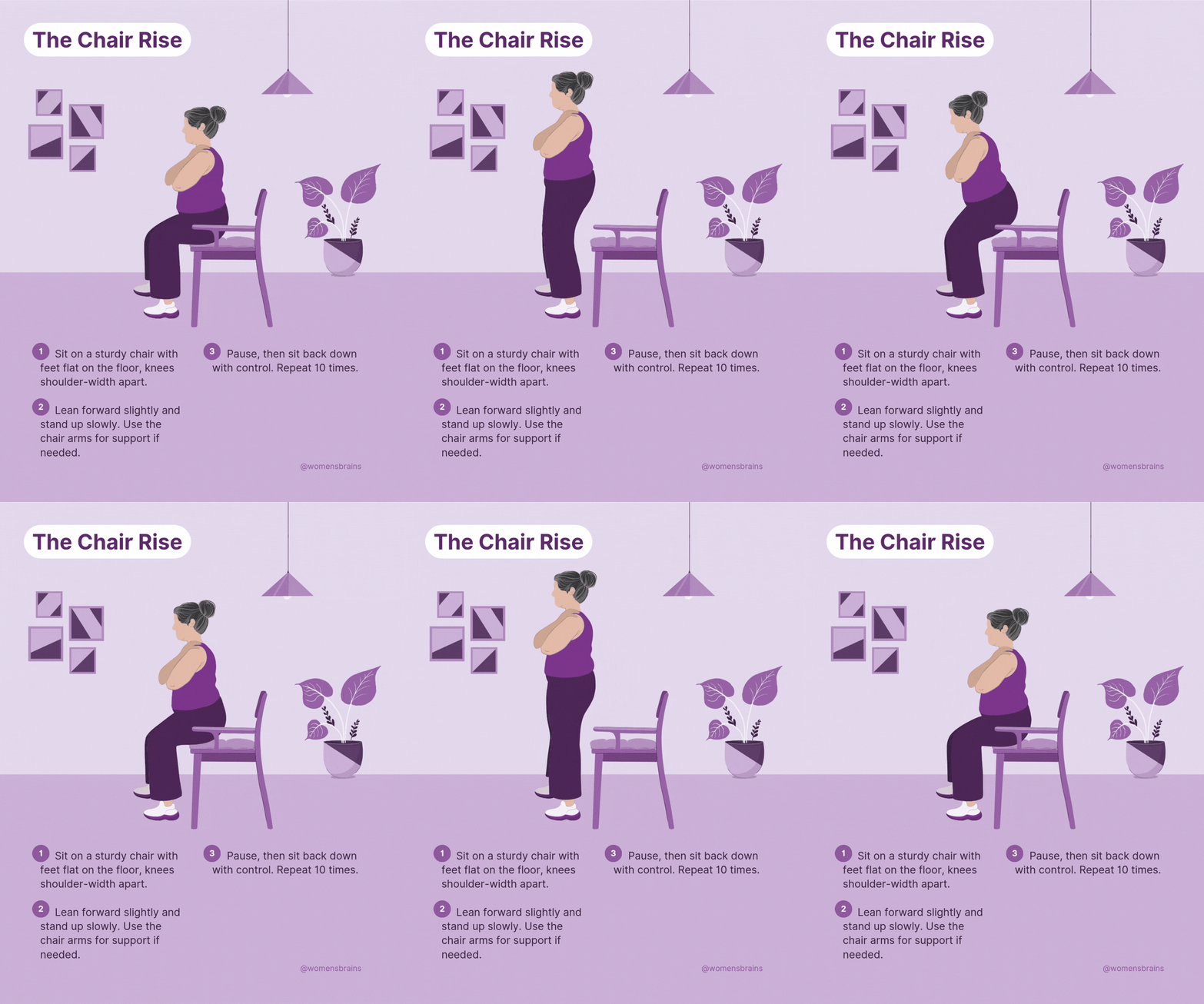
A simple movement you do every day, turned into a purposeful exercise that builds leg strength and challenges your balance control systems.
How to do it:
Sit on a sturdy chair with feet flat on the floor, knees shoulder-width apart.
Lean forward slightly and stand up slowly. Use the chair arms for support if needed.
Pause, then sit back down with control.
Repeat 10 times.
Why it matters for your brain: The sit-to-stand motion requires your brain to coordinate multiple muscle groups, manage your center of gravity, and plan movement. It engages both motor planning and proprioception, keeping your neural pathways active and challenged.
3. The Side Step Crossover
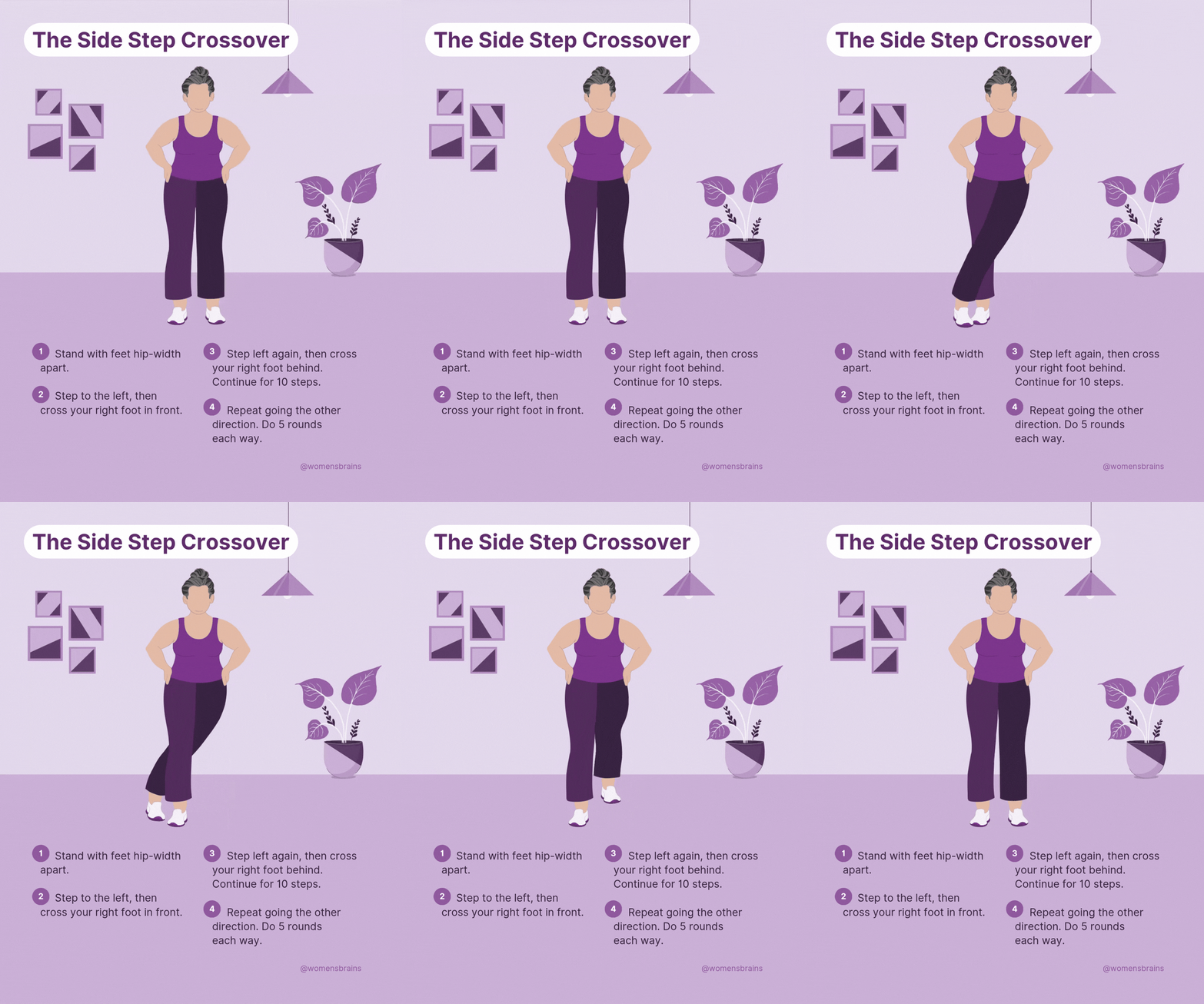
This exercise challenges your brain to coordinate lateral movement patterns, something we rarely practice but need for everyday mobility.
How to do it:
Stand with feet hip-width apart.
Step to the left, then cross your right foot in front.
Step left again, then cross your right foot behind. Continue for 10 steps.
Repeat going the other direction. Do 5 rounds each way.
Why it matters for your brain: Crossover patterns require your brain to sequence complex movements, engaging coordination centers including the cerebellum. The multi-directional nature of this exercise stimulates spatial awareness and the vestibular system in ways that simple forward walking does not.
4. The Tightrope Hold
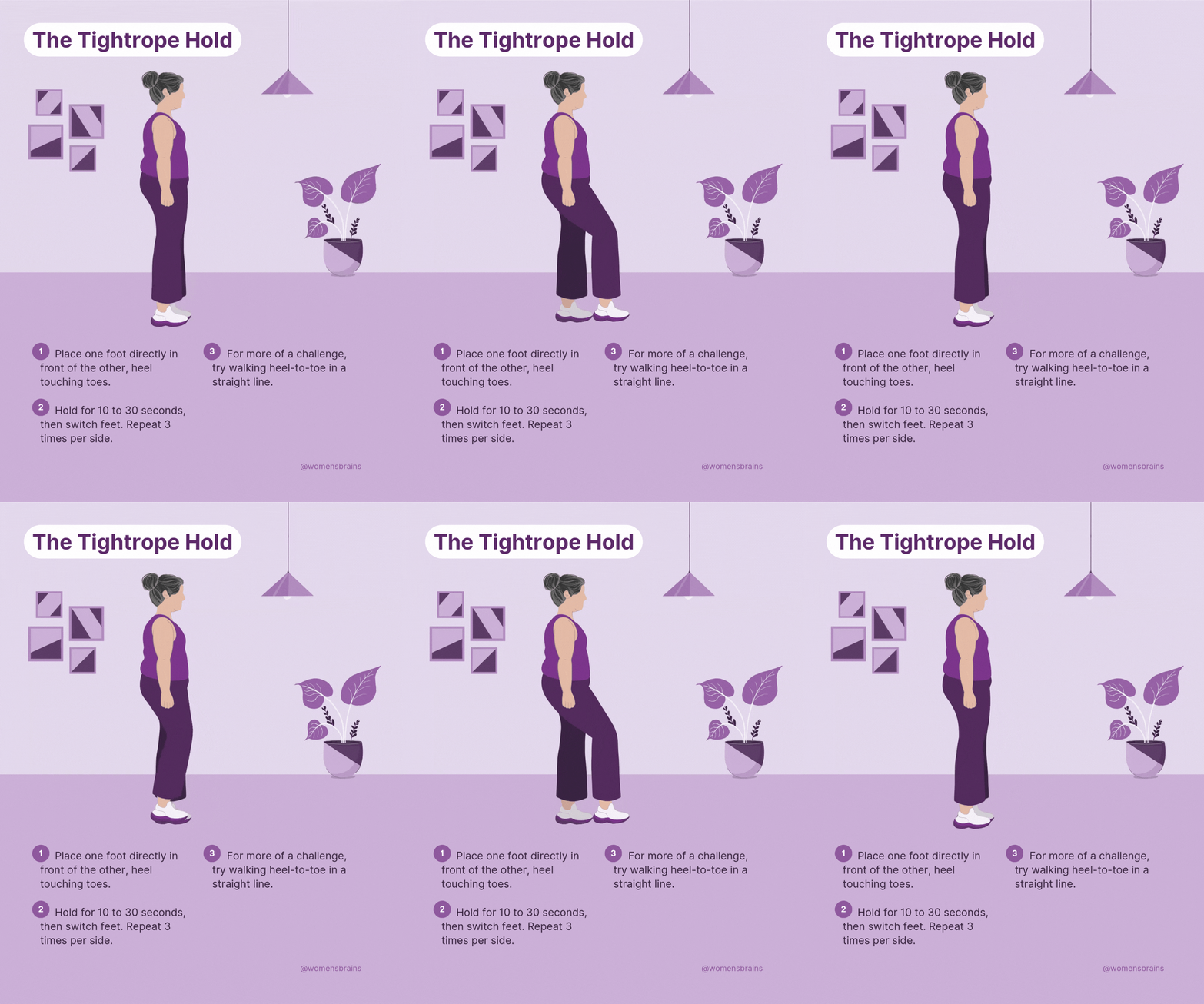
This exercise mimics the balance demands of walking and challenges your body to maintain stability in a narrowed stance.
How to do it:
Place one foot directly in front of the other, heel touching toes.
Hold for 10 to 30 seconds, then switch feet. Repeat 3 times per side.
For more of a challenge, try walking heel-to-toe in a straight line.
Why it matters for your brain: The tandem stance forces your brain to manage a dramatically reduced base of support, requiring constant micro-adjustments from your vestibular and proprioceptive systems. This type of sustained challenge is exactly what promotes neuroplasticity.
5. The Standing March
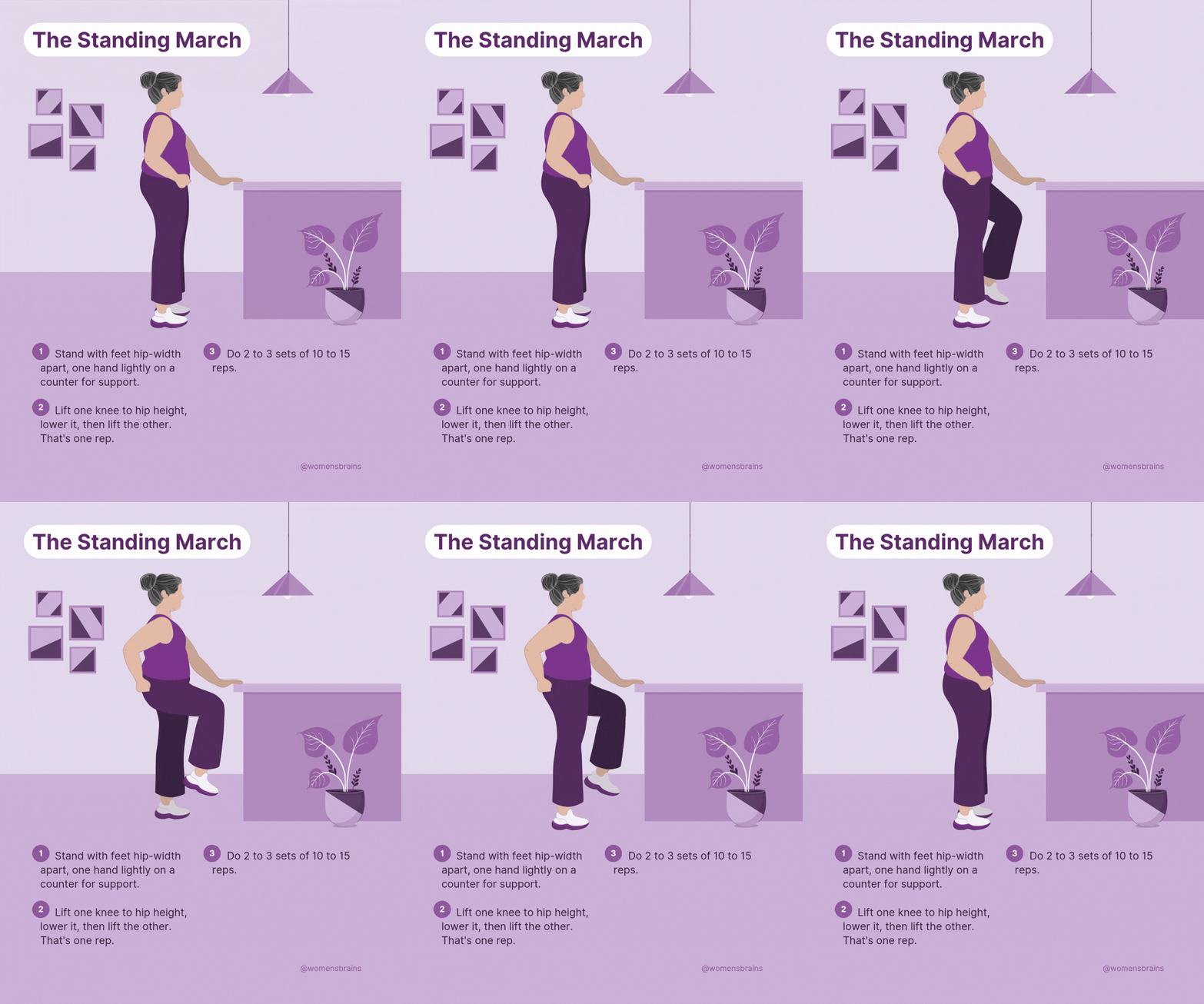
A gentle, rhythmic exercise that builds single-leg stability while keeping you moving.
How to do it:
Stand with feet hip-width apart, one hand lightly on a counter for support.
Lift one knee to hip height, lower it, then lift the other. That's one rep.
Do 2 to 3 sets of 10 to 15 reps.
Why it matters for your brain: Alternating leg lifts require your brain to constantly shift weight and recalibrate balance from one side to the other. This left-right coordination activates both hemispheres of the brain and reinforces the neural pathways responsible for gait and walking stability.
6. The Half Sit
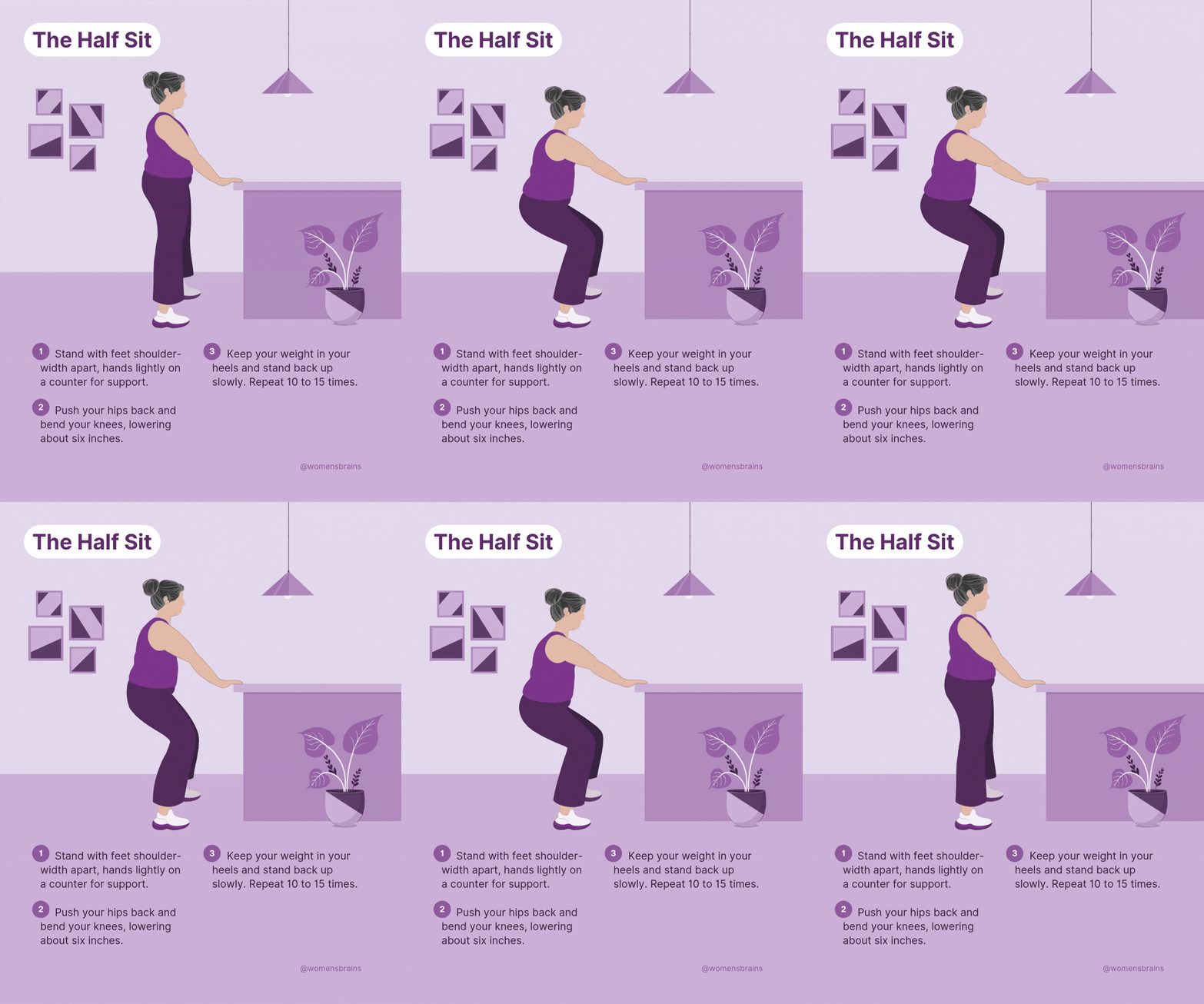
A controlled lower-body strengthener that supports balance by building the muscles you rely on most to stay upright.
How to do it:
Stand with feet shoulder-width apart, hands lightly on a counter for support.
Push your hips back and bend your knees, lowering about six inches.
Keep your weight in your heels and stand back up slowly.
Repeat 10 to 15 times.
Why it matters for your brain: Strong legs are the foundation of good balance. The half sit strengthens the glutes, quads, and core, the primary muscle groups your brain relies on to keep you stable during everyday movement. Weakness in these muscles forces your brain to work harder to compensate, which can accelerate cognitive fatigue.
Make It a Habit
You don't need to do all six exercises at once. Start with one or two that feel manageable and build from there. The key, as with any brain-healthy habit, is consistency.
Try pairing a balance exercise with something you already do every day. Stand on one leg while brushing your teeth. Do a few chair rises during a commercial break. Practice the tightrope hold while waiting for your morning coffee.
To maximize the brain benefits, remember that it's the complexity of the task that matters. As your skills improve, challenge yourself: close your eyes, let go of the counter, or try a new surface. Your brain responds to novelty, and every small progression helps build new neural connections.
As Dr. Barha has said, "You just have to move your body. Any movement counts, and you need to incorporate it into your everyday life."
Your brain and body will thank you.