
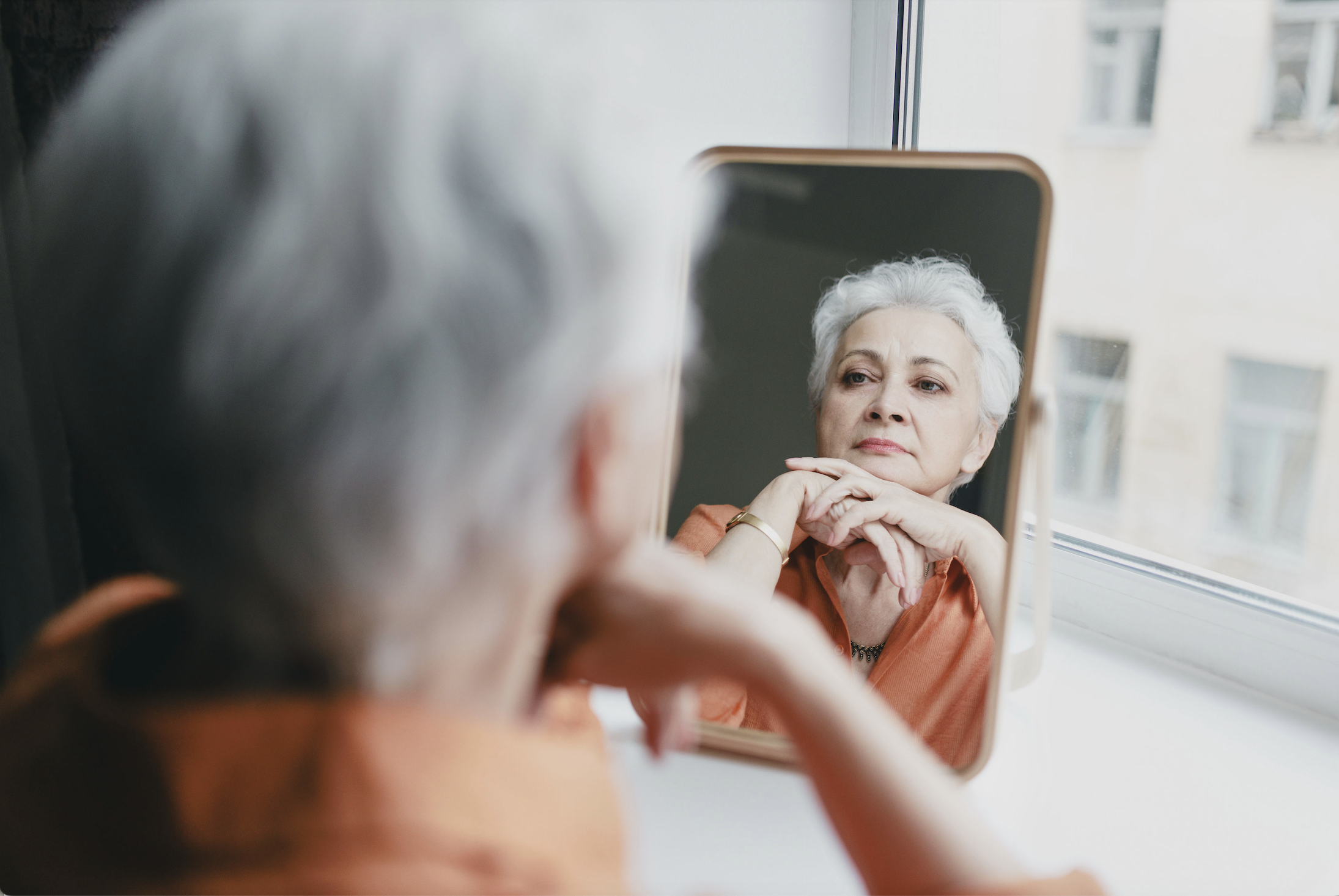
Is Aging Inevitable?
Throughout history, humans have been fascinated with the idea of preventing aging. Tales of a fictional Fountain of Youth, which will restore health and vigour by drinking or bathing in the water, have been told by various cultures over the centuries.
Fascination with the Fountain of Youth myth reflects our desire to reverse, or at least slow, the aging process.
This fascination with eternal youthfulness is evident in the high demand for anti-aging products and services.
According to Statista, spending on anti-aging globally was estimated to be approximately US$47 billion in 2023 and is predicted to rise to nearly US$80 billion by 2032.
The allure of eternal youthfulness is also increasingly evident in the research community. There has been a recent explosion in research, with more than 300,000 academic papers on the topic of aging being published in the past ten years, approximately the same number that were published on the subject in the previous century. Also, billions of dollars are being invested in longevity startup companies.
In this article, we’ll explore what aging is and what we know about the biology of aging and highlight findings from recent research into anti-aging interventions.
WHAT IS AGING & WHAT ARE ITS UNDERLYING DRIVERS?
The cells in our bodies don’t last forever. Their structure and function deteriorate as we age, and this results in increased susceptibility to age-related diseases. This aging process is complex and involves several inter-related bodily mechanisms and systems.
In a 2023 review published in Cell, Dr. Carlos López-Otín and colleagues shared 12 underlying drivers of aging, i.e., “hallmarks of aging,” that can potentially be prevented, slowed, or reversed to improve health and extend lifespan.
01 Genomic (DNA) Instability.
Our DNA contains the instructions for all the various cellular functions in the body. It faces constant challenges from external sources, such as ultraviolet radiation and chemical exposure, as well as internal sources, such as replication errors.
This leads to DNA damage that accumulates with age, corrupting the instructions given to the cells. The resulting unhealthy cells either die off or senesce, which compromises tissue and organ function, leading to disease. (You’ll learn about cell senescence in another hallmark later on.)
02 Telomere Attrition.
Our DNA is housed in chromosomes, which have protective telomeres on the ends, which look much like the caps on the ends of shoelaces. Each time a cell divides and duplicates our DNA information, a little bit of telomere gets chopped off, damaging the DNA. Eventually, the telomere is all used up, and the cell can no longer divide, so it dies or senesces.
03 Epigenetic Alterations.
The two previous hallmarks involve damage to the DNA itself, i.e., the instructions. Epigenetic alterations are different; they don’t change the instructions, but instead affect which instructions are followed, i.e., which genes are turned on or off.
Epigenetics change over time in response to environmental factors such as exposure to external stressors and lifestyle choices. So, as we age, more of the “wrong” genes are turned on, increasing the risk of developing age-related diseases.
04 Loss of Proteostasis.
Our cells use the instructions from our DNA to create proteins that are then folded into their functional shape. This process is prone to error, so our bodies have mechanisms in place to fix or remove any of these protein-related errors. However, as we age, these mechanisms don’t work as well, leading to the accumulation of dysfunctional, toxic proteins – which contribute to age-related diseases like Alzheimer’s disease, Parkinson’s disease, and amyotrophic lateral sclerosis (ALS).
05 Disabled Macroautophagy (Autophagy).
Each of our cells contains multiple parts that, over time, can become defective or stop working. Our bodies use a process called autophagy to clean up these unwanted cell parts, and the effectiveness of the autophagy process declines with age.
06 Deregulated Nutrient-Sensing.
Because our intake of nutrients varies, our bodies have multiple nutrient-sensing pathways that help ensure our cells get just the right amount of each nutrient at the right time and keep the nutrient levels in our bloodstream within a safe range.
This nutrient-sensing allows the body to respond appropriately – sometimes absorbing and metabolizing nutrients, sometimes converting nutrients from one form to another, and sometimes storing nutrients when they are abundant and then accessing those stores later when nutrients are scarce. Deregulation of these nutrient-sensing pathways plays a key role in the aging process.
07 Mitochondrial Dysfunction.
Mitochondria are the part of cells commonly referred to as the “powerhouse” because their primary function is to produce the energy needed to power the cell.
As we age, mitochondria tend to become unhealthy, and unhealthy mitochondria produce chemicals that damage cells (i.e., oxidative stress), and trigger inflammation and, eventually, cell death.
08 Cellular Senescence.
When cells are damaged, they enter a senescent state where they stop dividing and start to secrete pro-inflammatory molecules and tissue-degrading enzymes. Senescent cells accumulate as we age and contribute to chronic inflammation, which is linked with many age-related diseases.
09 Stem Cell Exhaustion.
Stem cells are a special type of cell that can develop into many different cell types, allowing them, in some cases, to fix damaged tissues. As we age, though, stem cells’ regenerative capacity is impaired so that when tissues are damaged, they can no longer be properly repaired.
10 Altered Intercellular Communication.
Information is transferred from one cell to another through intercellular signalling. This communication can happen through direct contact between cells, or via the release of a substance (e.g., neurotransmitter or hormone) that is then taken up by another cell. Aging is associated with compromised intercellular communication.
11 Chronic Inflammation.
Two of the aging hallmarks already mentioned – dysfunctional mitochondria and senescent cells – contribute to inflammation. Chronic inflammation that tends to get worse with increasing age is linked with age-related decline in the immune system and increased risk of numerous age-related diseases as well as all-cause mortality.
12 Dysbiosis (Gut Microbiome Alterations).
The human body is host to trillions of microbes – including bacteria, fungi, and viruses – most of which reside in our gut. (Collectively, the microbes on/in the human body are known as the microbiome.)
While some microbes can make us sick, others play an important role in keeping us healthy, handling a number of essential and beneficial functions in the human body, including nutrient digestion and absorption, and protection against pathogens.
The composition and activity of the gut microbiome shifts gradually during aging, leading to an overall decrease in microbiome diversity.
“The 12 hallmarks of aging that we’ve identified each represent a potential target for interventions to prolong life or improve health over the lifespan,” explained Dr. López-Otín, a professor at the University of Oviedo in Spain.
All of the hallmarks are strongly inter-related, so if an intervention affects one of the hallmarks positively, it often benefits other hallmarks as well.
“Human aging is inevitable because it is a biological process that is part of our molecular and evolutionary essence. In contrast, longevity is plastic and there are some opportunities to extend it, albeit modestly,” shared Dr. López-Otín.
“In my view, the main purpose of aging and longevity research should be to try to understand and ameliorate human diseases associated with aging, not to chase a dream of immortality.”
RESEARCH TO FIND ANTI-AGING INTERVENTIONS
Researchers are using what is known about why and how we age to guide the search for interventions to slow, reverse, or even prevent some of the typical age-related changes in the body.
Much longevity and anti-aging research to date has been conducted with animals, and while findings from that research certainly inform additional research, they do not on their own indicate which, if any, of the tested interventions could be effective and safe in humans.
Some human trials have been conducted, and Dr. Leonard Guarente and colleagues recently reviewed the research from those trials and shared a summary of the results in Cell Metabolism in 2024.
In total, they looked at eight promising drugs and natural compounds that have been tested in humans for their potential to prevent or improve age-associated diseases like diabetes, cardiovascular disease, neurodegenerative diseases, and cancer:
metformin – a drug used to treat diabetes that may help with anti-aging, too;
NAD+ precursors – supplements that replenish a small molecule within each cell called nicotinamide adenine dinucleotide (NAD+) that becomes depleted with age;
glucagon-like peptide-1 (GLP-1) receptor agonists – drugs that mimic the action of GLP-1, a hormone produced in the intestines in response to ingesting food;
TORC1 inhibitors, e.g., Rapamycin – a highly-used drug for immunosuppression;
spermidine – a natural metabolite (i.e., a substance produced during metabolism);
senolytics – compounds that selectively kill senescent cells; examples include the natural flavanol fisetin, the drug dasatinib used in combination with the flavonol quercetin, and the osteoporosis drug zoledronate;
probiotics – oral supplements and fecal transplants of favourable bacterial species; and
anti-inflammatories – drugs including corticosteroids, analgesics such as Aspirin and ibuprofen, and monoclonal antibodies.
Much of the research to date on these eight drugs/supplements has been exploratory, and although some of them show potential, no miracle drugs or treatments have yet been found that are proven effective and safe in humans for slowing or reversing the aging process.
“After reviewing the evidence from research to date in human clinical trials of anti-aging interventions, we concluded that at this point no drug can be recommended for human use. The leading candidates we looked at in detail show varying degrees of promise and require more research before any firm conclusions can be reached,” said Dr. Guarente, a professor at Massachusetts Institute for Technology (MIT).
“At this point, we are very optimistic about the future of anti-aging research. We believe that the next few years will be critical and anticipate that a tipping point will soon be reached where the most viable interventions will become evident, perhaps some of them brand new.”
‘NOT-SO-SECRET’ STRATEGIES FOR AGING WELL
While we wait for researchers to continue their search for an anti-aging drug or supplement, there is much we can do to age well. Simple, old-fashioned, sensible advice about healthy living is the current the “not-so-secret recipe” for living longer and staying well as one ages.
It is well-established that a healthy diet, exercise, and sleep are critical anti-aging “medicines.”
These just so happen to be three of the Six Pillars of Brain Health that Women’s Brain Health Initiative promotes. It’s not surprising that the same actions that will keep your brain healthy as you age are the same actions that will contribute to overall better health in your older years. What’s healthy for the brain is healthy for all of the systems and parts in the body!
Source: Mind Over Matter V20