
When most people think about protecting their brain, they picture strict diets, intense workout routines, or supplements with long ingredient lists. But the research tells a different story.
Some of the most powerful things you can do for your brain are also some of the most enjoyable. Science has been building a compelling case for habits that feel ordinary but have measurable, meaningful effects on how the brain ages.
Here are six, each targeting a different pillar of brain health.
1. Dance
An energizing habit for the Exercise Pillar
A landmark study found that older adults who danced regularly had a significantly lower risk of developing dementia, with some analyses suggesting a risk reduction of up to 76%. Researchers believe dance is uniquely powerful because it combines many of the activities known to support brain health: physical exercise, memory, coordination, music, learning, and social connection.
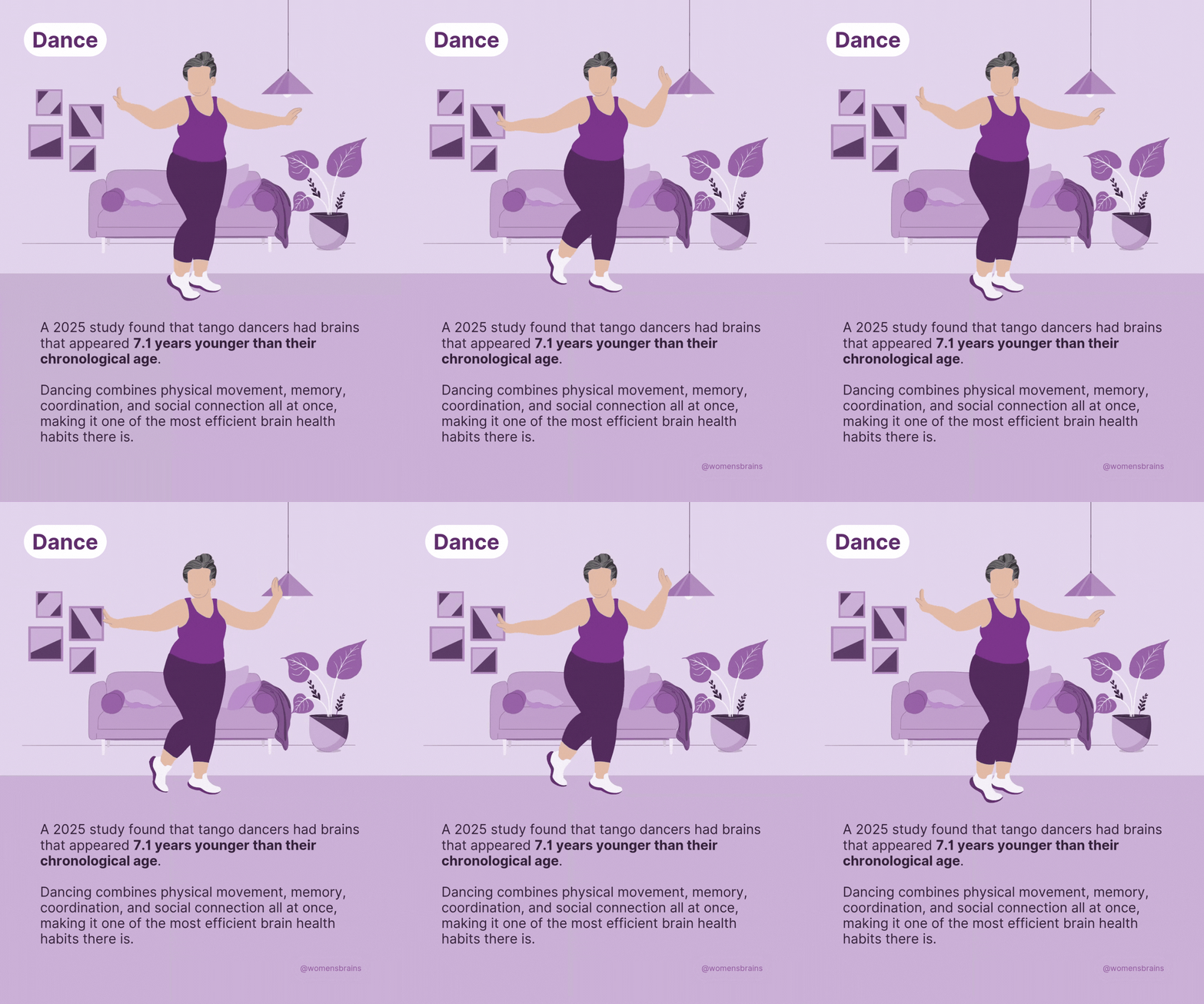
More recent research continues to reinforce these benefits. A 2025 study published in Nature Communications analyzed brain activity data from more than 1,400 participants across 13 countries using machine-learning "brain clocks" to compare biological and chronological brain age. Across every creative activity studied, participants who engaged regularly showed signs of a younger brain. The strongest effect was seen in tango dancers, whose brains appeared, on average, approximately 7.1 years younger than their chronological age.
Lead researcher Dr. Agustín Ibáñez described creativity as a "powerful determinant of brain health, comparable to exercise or diet."
Dancing works on multiple levels at once. It requires you to learn and remember sequences, coordinate movement in real time, connect with a partner or group, and respond to music. Few activities engage the body, mind, and social brain so completely.
The good news? You do not need to become a competitive dancer to reap the benefits. A weekly dance class, an evening of line dancing, or even dancing around your kitchen while making dinner can help keep both your body and brain active.
Good for your body. Great for your brain. And perhaps one of the most enjoyable ways to support healthy aging.
So go ahead. Turn up the music and take a few steps for your brain today.
2. Play a Musical Instrument
An enriching habit for the Mental Stimulation Pillar
Learning or continuing to play an instrument is one of the most protective things you can do for your brain.
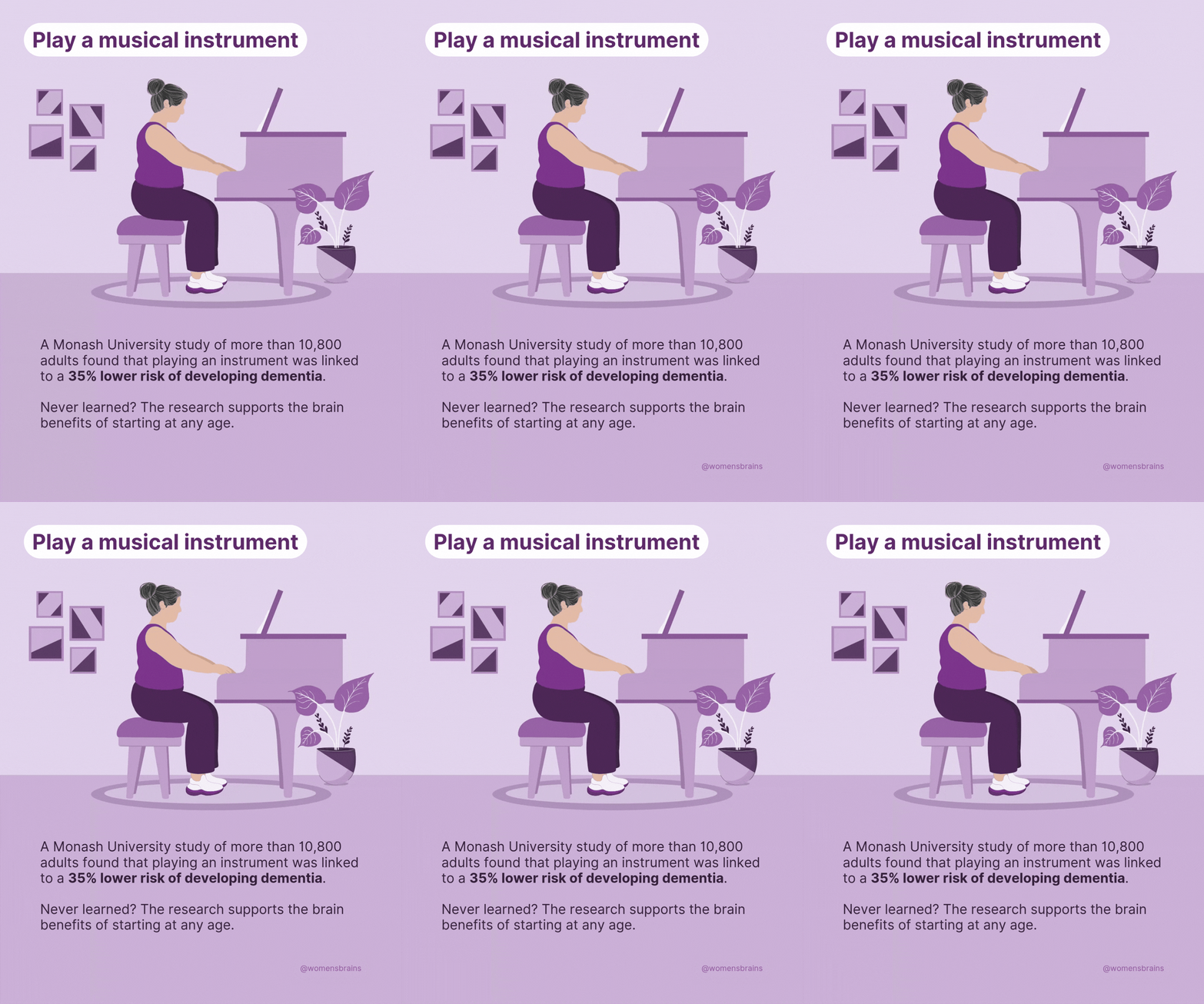
A 2025 study led by Monash University researcher Emma Jaffa and Professor Joanne Ryan followed more than 10,800 adults aged 70 and older over a decade. Published in the International Journal of Geriatric Psychiatry, it found that people who played a musical instrument had a 35% lower risk of developing dementia compared to those who did not.
A separate UK aging cohort study published in the same journal in 2024 found that playing an instrument was consistently linked to more favorable cognitive trajectories over time.
And a randomized controlled trial published in the Journal of Gerontology in 2022 found that piano training in older adults led to measurable improvements in executive function, the cognitive skills involved in planning, focus, and mental flexibility.
Playing an instrument requires your brain to read, interpret, remember, and physically execute information simultaneously, strengthening neural connections across multiple regions at once. It is one of the few activities that exercises the brain the way cross-training exercises the body.
Never learned? It is not too late. The research supports the brain benefits of learning an instrument at any age.
3. Call Someone You Love
A meaningful habit for the Social Engagement Pillar
Loneliness is not just hard on the heart. It is hard on the brain.
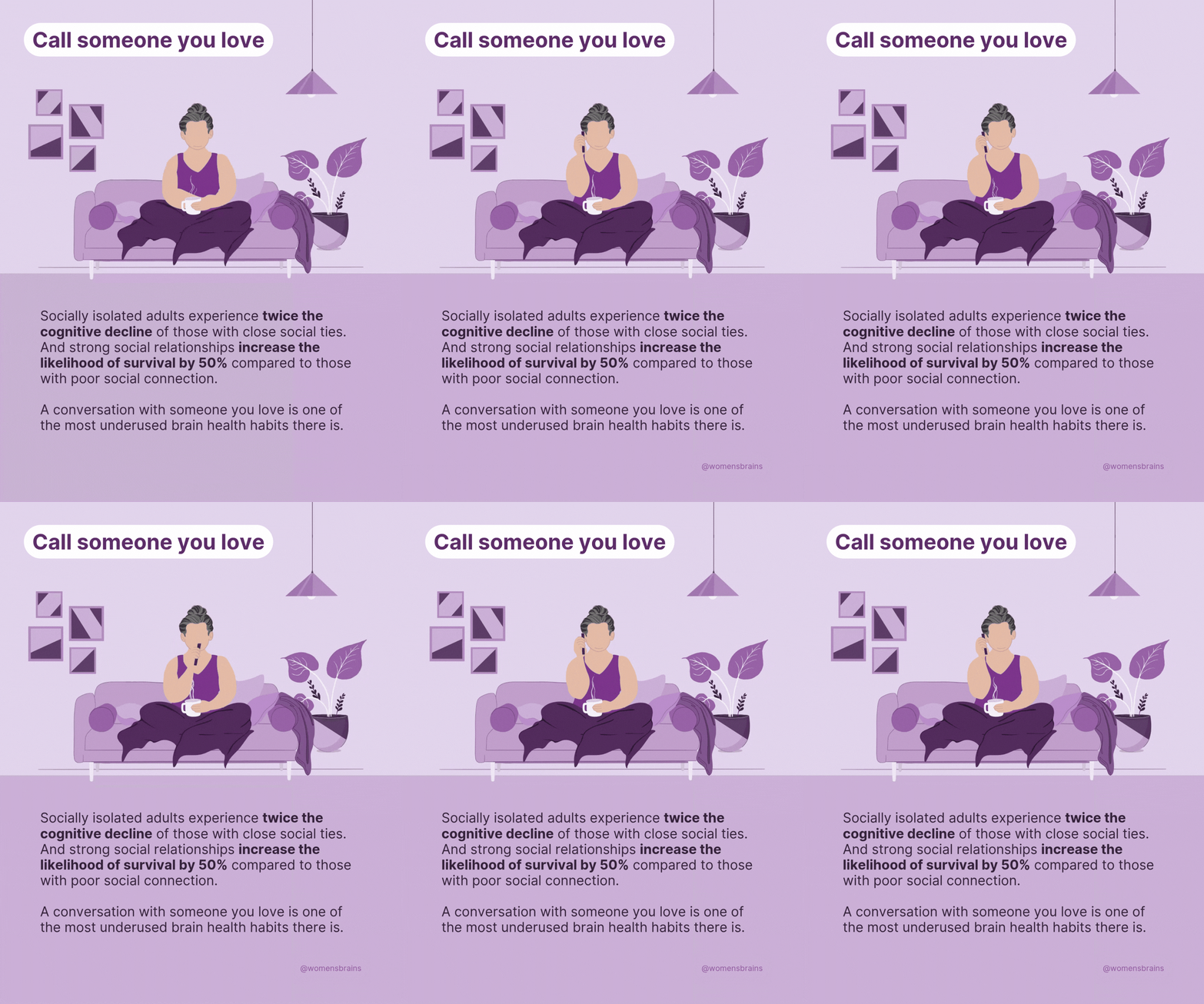
A 2008 study published in the American Journal of Public Health, led by Dr. Karen Ertel and colleagues, examined social interaction and memory loss in a large, representative sample of older adults in the United States. The researchers found that socially isolated individuals experienced twice the cognitive decline of those who maintained close ties with family, friends, and their community.
A separate meta-analysis led by Dr. Julianne Holt-Lunstad at Brigham Young University, published in PLOS Medicine in 2010, drew on data from more than 300,000 people and found that those with strong social relationships had a 50% increased likelihood of survival compared to those with poor or insufficient social ties. Social connection ranked as the single greatest predictor of reduced mortality risk in that study, ahead of exercise, weight, and even smoking.
The research is consistent: human connection is not a luxury. It is brain medicine.
Start with a phone call. Then make plans to meet in person. The research is clear that face-to-face contact carries the strongest protective effect, but the call is what keeps the relationship alive between those moments. A conversation with someone you love is one of the simplest and most underused brain health habits there is.
4. Eat Your Greens
A nourishing habit for the Nutrition Pillar
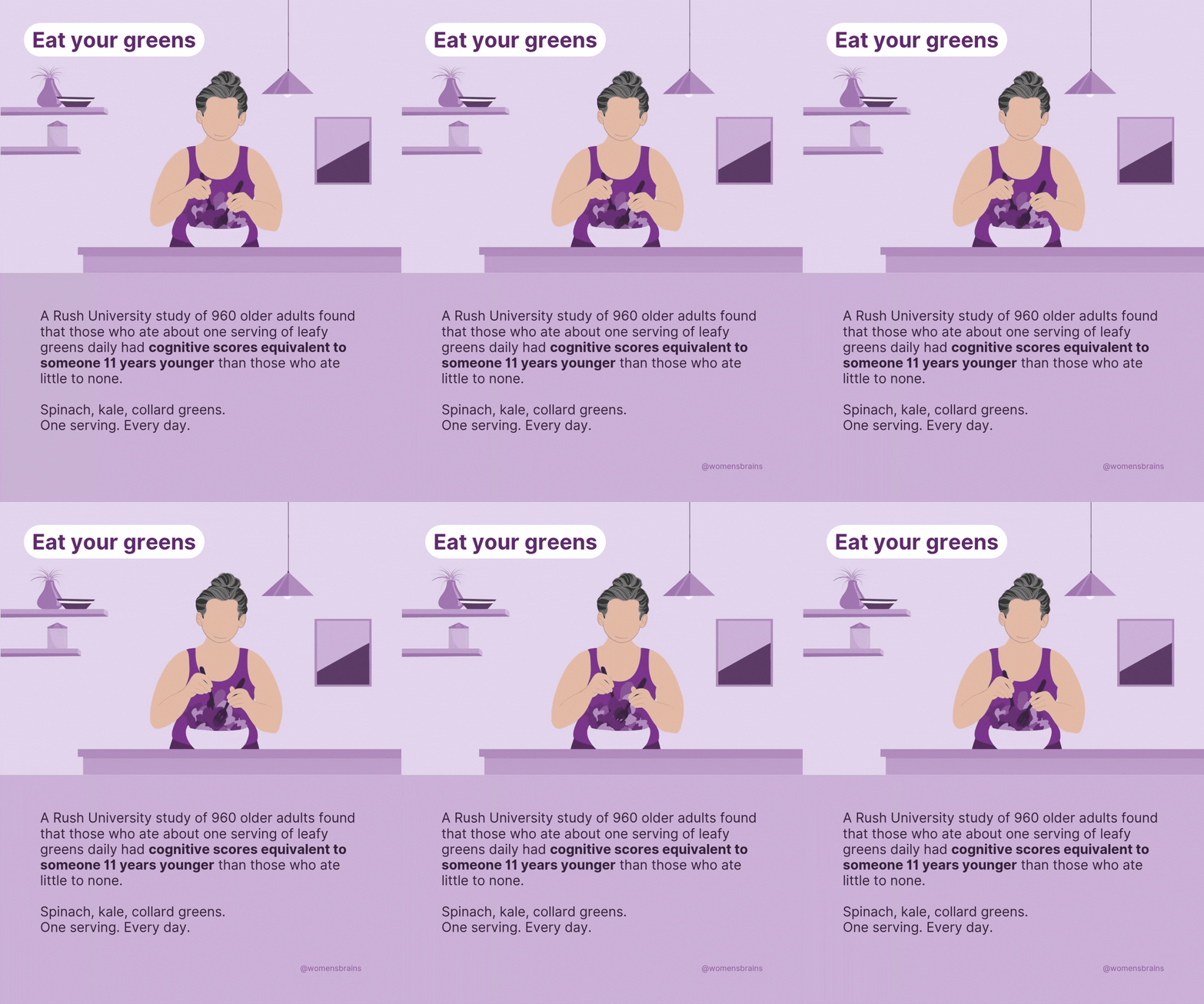
One serving of leafy greens a day could keep your brain up to 11 years younger.
That is the finding from a study conducted by Dr. Martha Clare Morris and colleagues at Rush University Medical Center, published in the journal Neurology. The researchers followed 960 older adults over time and found that those who ate about one serving of leafy greens daily, things like spinach, kale, and collard greens, had cognitive scores equivalent to people 11 years younger than those who ate little to no greens.
Leafy greens are rich in nutrients including vitamin K, lutein, folate, and beta-carotene, all of which are associated with slower cognitive decline. It is one of the most accessible, affordable brain health habits available.
5. Turn Off Your Screens an Hour Before Bed
A restorative habit for the Sleep Pillar
While you sleep, your brain is hard at work consolidating memories, clearing metabolic waste, and strengthening neural connections. What you do in the hour before bed has more influence on that process than most people realize.
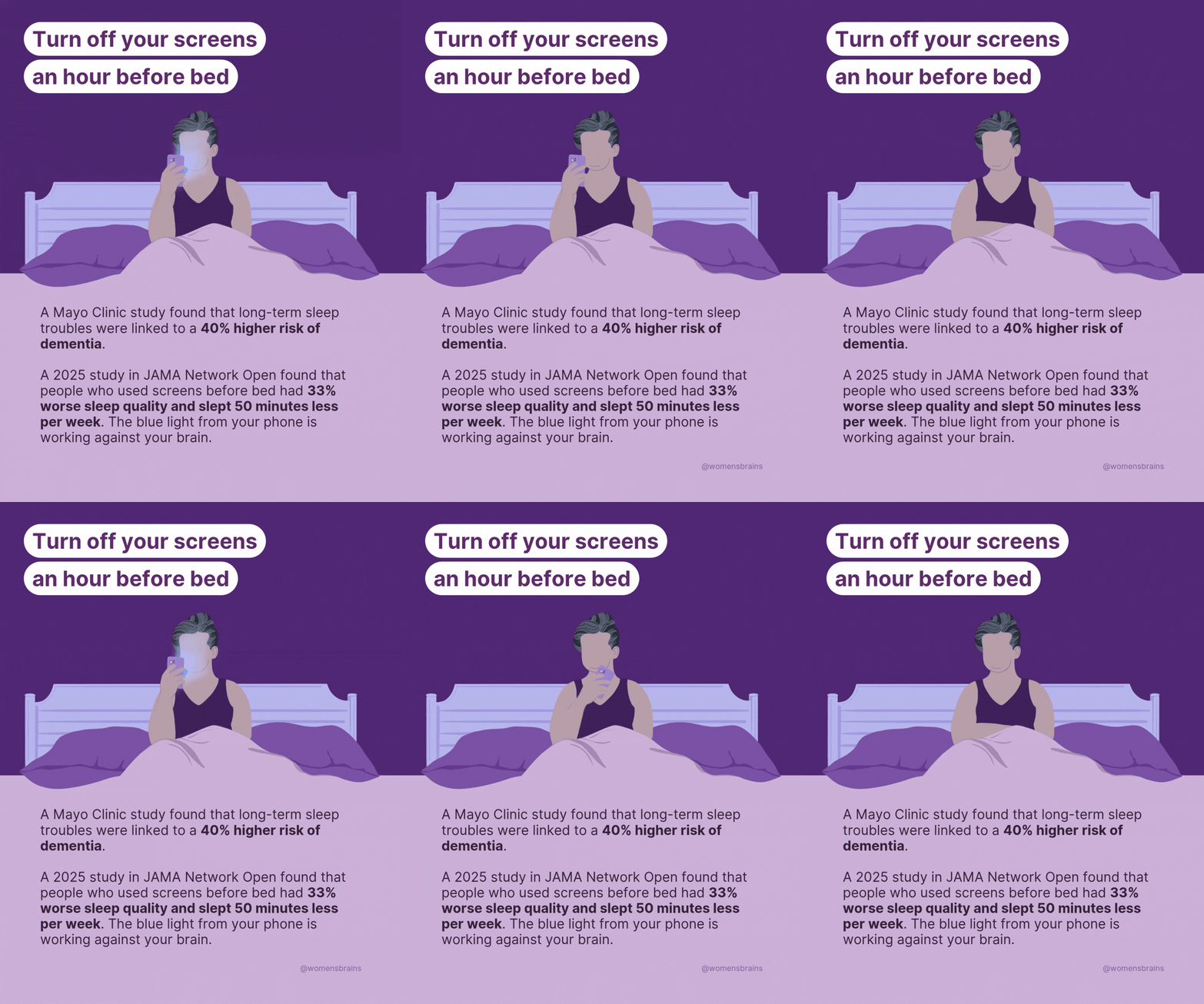
A large Mayo Clinic study tracking 2,750 cognitively healthy older adults over more than five years found that people with long-term sleep troubles were 40% more likely to develop dementia or cognitive impairment. Brain scans showed changes linked to Alzheimer's disease, and those reporting reduced sleep demonstrated cognitive declines comparable to being four years older.
Part of what stands between many people and a good night's sleep is the device in their hand. A 2025 study published in JAMA Network Open analyzed data from more than 122,000 adults and found that those who used screens before bed had a 33% higher rate of poor sleep quality and slept approximately 50 minutes less per week than those who avoided screens. The blue light emitted by phones, tablets, and televisions suppresses melatonin production and keeps the brain in an alert state when it needs to be winding down.
Turning off screens an hour before bed is one of the most straightforward steps you can take. Replace that hour with something your nervous system finds genuinely restful: a physical book, gentle stretching, a warm bath, or a conversation with someone you care about.
6. Get Your Hands in the Dirt
A grounding habit for the Stress Reduction Pillar
Gardening has been used as a tool for healing for thousands of years, and modern research is now starting to explain why.
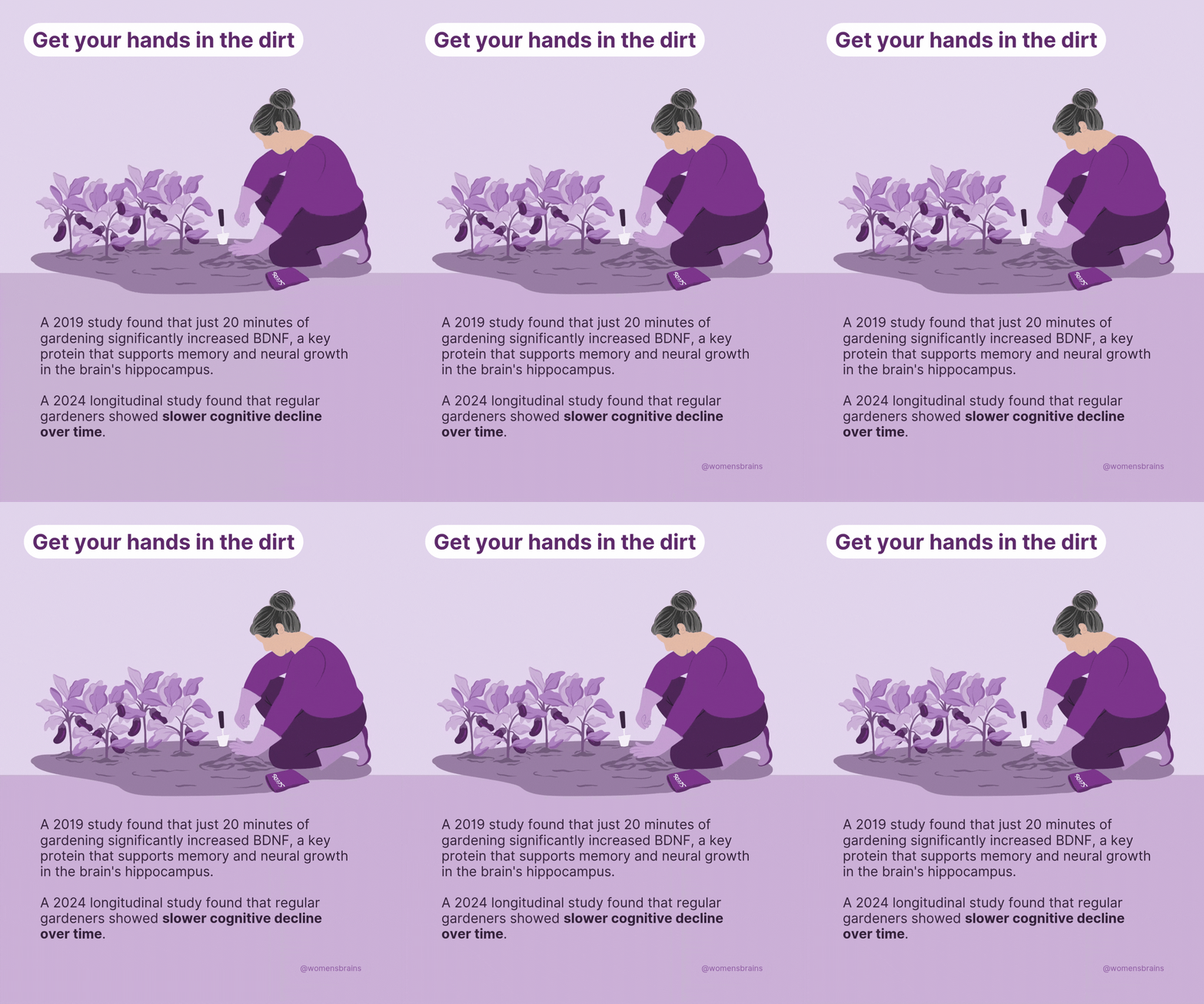
A 2019 study published in the International Journal of Environmental Research and Public Health by researchers at Konkuk University in Seoul, South Korea, measured the effects of just 20 minutes of low to moderate intensity gardening on brain nerve growth factors in adults over 65.
After the gardening session, participants showed significantly increased levels of BDNF (brain-derived neurotrophic factor), a key protein concentrated in the hippocampus, the brain's memory center. BDNF supports neural survival, growth, and synaptic plasticity, and higher levels are associated with better memory function.
A 2024 longitudinal study from the Lothian Birth Cohort, published in the Journal of Environmental Psychology, added to this picture, finding that regular gardening was associated with better cognitive aging outcomes over time, with gardeners showing slower rates of cognitive decline than non-gardeners.
The broader horticulture research reinforces this further. A meta-analysis of 23 studies found a wide range of benefits including lower agitation levels, improved wellbeing, reduced stress, and greater physical and social engagement. A 2020 review in the Journal of Clinical Nursing found that participatory horticultural therapy was linked to improved cognitive function scores and higher levels of positive emotion.
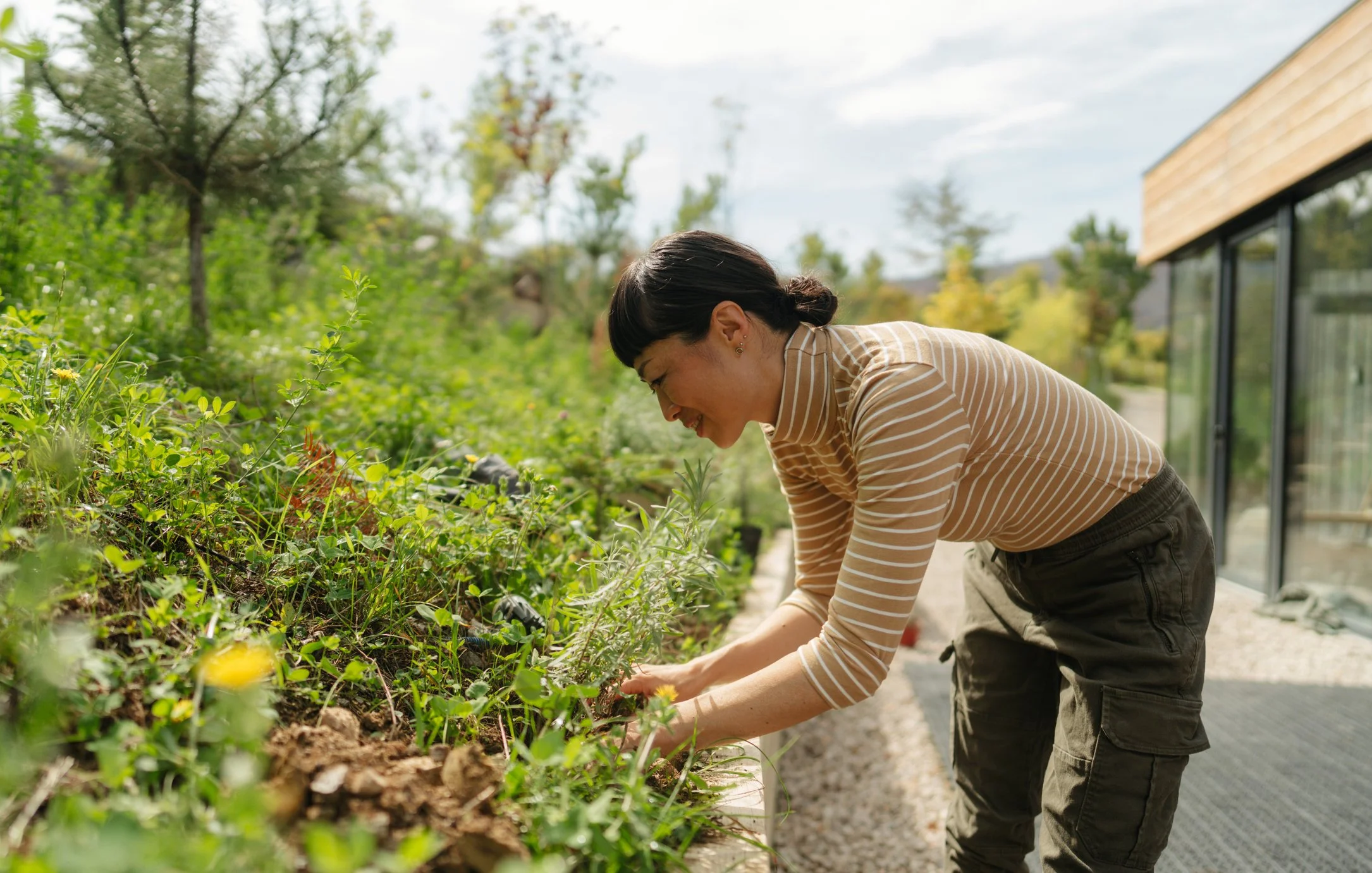
For healthy adults, gardening offers a rare combination of physical activity, sensory engagement, purposeful focus, and time in nature. And as the research suggests, even a short session in the garden may be doing something measurable inside your brain.
Ready to Build a Brain-Healthy Habit?
Knowing what to do is only half of it. The part that actually changes your brain is doing it consistently, day after day, until it becomes second nature.
BrainFit® is a free habit tracker created by Women's Brain Health Initiative to help you do exactly that. Built around the Six Pillars of Brain Health, the app helps you set goals, track your progress, and stay on track with evidence-based brain health habits. It is completely private and confidential, no personal data is collected or stored, and there is no hidden content behind a paywall.
Download BrainFit® free for iOS or Android.